Sausage and Noodle Casserole with Broccoli and Cheese
Content

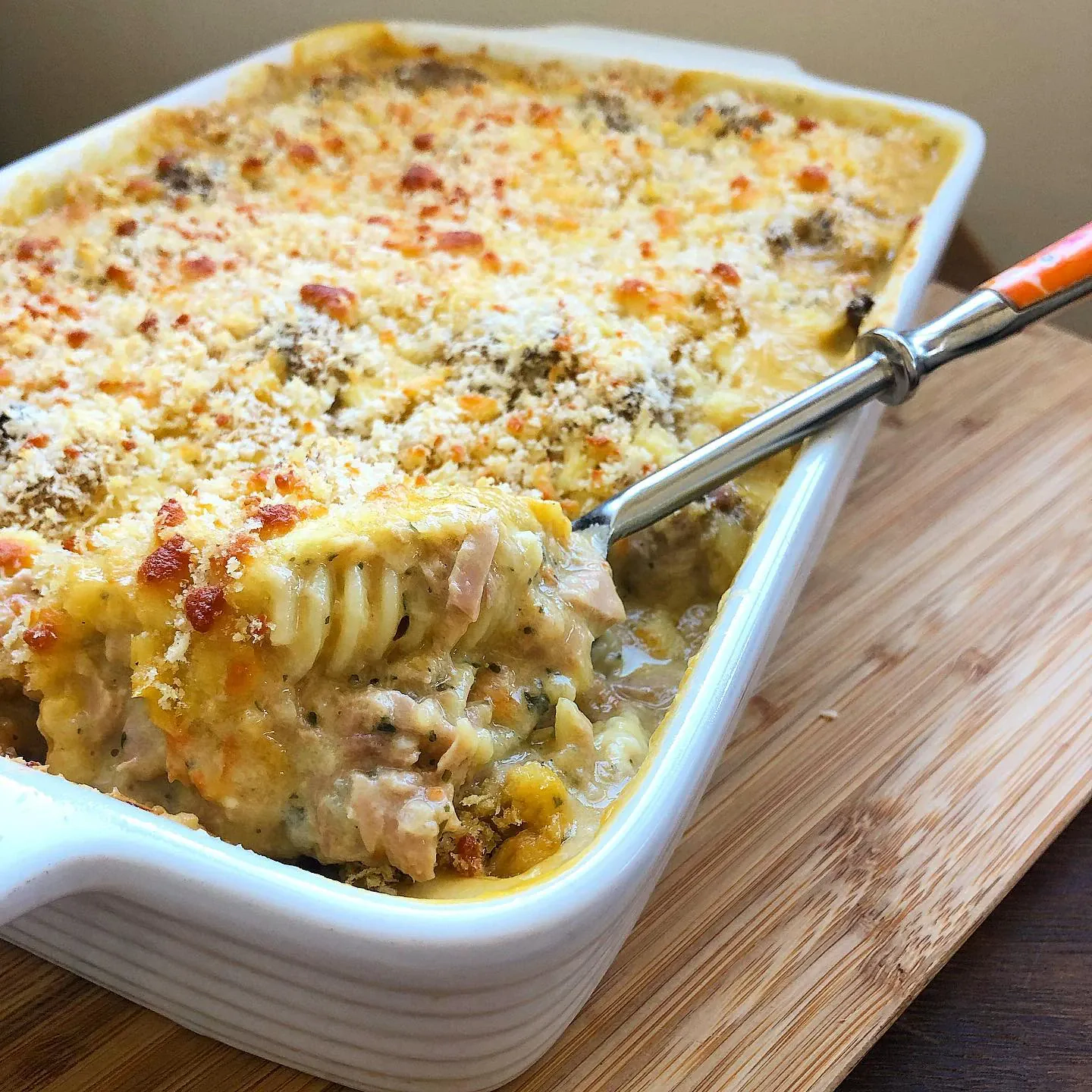
The success of this casserole depends on balance. The noodles should be boiled only until just tender, because they continue softening in the sauce while the casserole bakes. The broccoli adds freshness and texture, the sausage brings depth and seasoning, and the cheese sauce ties everything together into a warm, spoonable dish with a golden top.
I have made casseroles like this many times when I wanted a practical dinner that could be prepared ahead, baked later, and served straight from the dish. From experience, I find that letting the casserole rest briefly after baking makes a real difference, because the sauce settles and clings better to the pasta instead of running out as soon as it is served.
This recipe is especially useful for busy evenings, colder days, family lunches, and casual weekend meals. It works well with smoked sausage, cooked pork sausage, or another well-seasoned sausage you enjoy, and it can be adapted with different short pasta shapes as long as the sauce remains creamy and the topping is baked until lightly crisp.
Ingredients
- Short pasta noodles such as rotini, fusilli, or egg noodles: 300 g / 10.6 oz.
- Cooked pork sausage or smoked sausage: 350 g / 12.3 oz.
- Broccoli florets: 250 g / 8.8 oz.
- Onion: 1 medium.
- Garlic cloves: 2.
- Butter: 40 g / 1.4 oz.
- All-purpose flour / plain flour: 35 g / 1.2 oz.
- Milk: 600 ml / 2 1/2 US cups.
- Dijon mustard: 1 teaspoon.
- Mild cheddar cheese, grated: 180 g / 6.3 oz.
- Mozzarella cheese, grated: 100 g / 3.5 oz.
- Breadcrumbs or panko breadcrumbs: 60 g / 2.1 oz.
- Olive oil: 1 tablespoon.
- Salt: 1 teaspoon.
- Black pepper: 1/2 teaspoon.
- Sweet paprika: 1/2 teaspoon.
- Dried parsley or mixed dried herbs: 1 teaspoon.
- 1. Prepare the baking dish: Lightly grease a medium casserole dish with a little butter or oil, then preheat the oven to 190°C / 375°F. A dish of about 2 litres / 8 US cups capacity works well because it gives the casserole enough depth while still allowing the top to brown.
- 2. Cook the noodles: Bring a large pan of salted water to a boil and cook the short pasta noodles for 1–2 minutes less than the packet instructions suggest. The noodles should be just tender but still slightly firm, because they will continue cooking in the cheese sauce during baking.
- 3. Blanch the broccoli: Add the broccoli florets to the pasta water during the final 2 minutes of cooking, then drain everything well. Shake the colander gently to remove excess water, as too much moisture can make the casserole loose and watery.
- 4. Prepare the sausage: Slice the cooked sausage into half-moons or small bite-sized pieces. If the sausage has a casing that is tough, remove it before slicing so the finished casserole has a better texture.
- 5. Brown the sausage: Heat the olive oil in a large pan over medium heat, then add the sausage pieces and cook for 4–5 minutes until lightly browned at the edges. This step improves the flavour and gives the casserole a deeper savoury base.
- 6. Soften the onion and garlic: Add the chopped onion to the sausage and cook for 3–4 minutes until softened and lightly golden. Stir in the garlic and cook for another 30 seconds, just until fragrant, taking care not to burn it.
- 7. Make the roux: Add the butter to the pan and let it melt around the sausage and onion. Sprinkle in the all-purpose flour / plain flour and stir for 1 minute, until the flour is fully coated in fat and no dry patches remain.
- 8. Build the sauce: Pour in the milk gradually, stirring constantly as you add it. Keep the heat at medium and continue stirring until the sauce becomes smooth, creamy, and thick enough to coat the back of a spoon.
- 9. Season the sauce: Stir in the Dijon mustard, salt, black pepper, sweet paprika, and dried parsley or mixed dried herbs. Taste the sauce carefully before adding extra salt, because sausage and cheese can already be quite salty.
- 10. Add the cheese: Reduce the heat to low and stir in the grated cheddar and mozzarella, reserving a small handful if you want extra cheese on top. Stir until the cheese melts into a smooth sauce, but do not boil it hard, as high heat can make the sauce grainy.
- 11. Combine the filling: Add the drained noodles and broccoli to the sauce, then fold everything together gently until the pasta, broccoli, and sausage are evenly coated. The mixture should look creamy and generous, not dry or stiff.
- 12. Fill the casserole dish: Spoon the mixture into the prepared baking dish and spread it evenly. Tap the dish lightly on the work surface to settle the sauce between the noodles without compacting the casserole too much.
- 13. Add the topping: Sprinkle the breadcrumbs or panko breadcrumbs over the surface, then scatter over any reserved cheese. For a crisper topping, drizzle very lightly with a little extra melted butter or olive oil.
- 14. Bake the casserole: Bake at 190°C / 375°F for 25–30 minutes, until the sauce is bubbling around the edges and the top is golden with a few deeper toasted spots. If the topping browns too quickly, loosely cover the dish with foil for the final part of baking.
- 15. Rest before serving: Remove the casserole from the oven and let it rest for 8–10 minutes before spooning it out. This short resting time helps the sauce thicken slightly and makes each serving creamier and easier to plate.
Recipe Directions
FAQ
Frequently Asked Questions
▶ Can I use a different type of sausage.
Yes. Smoked sausage, cooked pork sausage, chicken sausage, or turkey sausage can all work, as long as the sausage is already cooked or is browned fully before baking. A well-seasoned sausage gives the casserole more flavour, so taste the sauce before adding extra salt.
▶ Why did my casserole turn watery.
The most common reason is excess water from the pasta or broccoli. Drain both very well before adding them to the sauce, and avoid overcooking the noodles. The sauce should also be thick enough to coat a spoon before the casserole goes into the oven.
▶ Can I prepare sausage and noodle casserole ahead of time.
Yes. Assemble the casserole, cover it, and refrigerate it for up to 24 hours before baking. Add the breadcrumb topping just before it goes into the oven so it stays crisp. If baking straight from the refrigerator, add about 5–10 extra minutes at 190°C / 375°F.
▶ What pasta shape works best for this recipe.
Short shapes with ridges or curves work best because they hold the sauce well. Rotini, fusilli, penne, and broad egg noodles are all suitable. Avoid very small pasta shapes, as they can become too soft and dense after baking.
▶ How do I keep the cheese sauce smooth.
Add the milk gradually while stirring, and melt the cheese over low heat once the sauce has thickened. Do not boil the sauce hard after adding the cheese, because strong heat can cause it to split or become grainy.
▶ Can I freeze this casserole.
It can be frozen, although the sauce may be slightly less smooth after thawing. Cool the casserole completely, wrap it well, and freeze for up to 2 months. Thaw overnight in the refrigerator before reheating.
▶ What is the best way to reheat leftovers.
Reheat leftovers covered in an oven-safe dish at 170°C / 340°F until hot throughout. Add a small splash of milk before reheating if the casserole looks dry. Individual portions can also be reheated in a microwave until steaming hot.
global.recipe.nutrition
Nutrition information per 100 g of prepared dish
*Values are approximate. Nutritional values may vary depending on the sausage, cheese, milk, exact quantities, brands, and preparation method used.

Markas Kriaučiūnas
Recipe Author